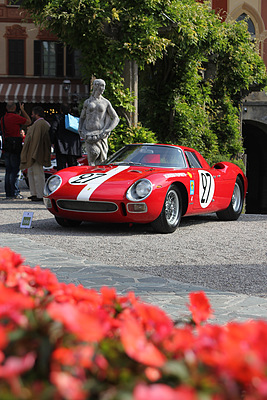
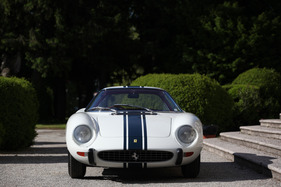
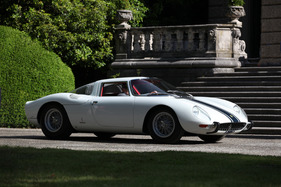
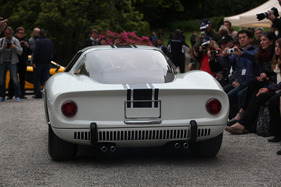
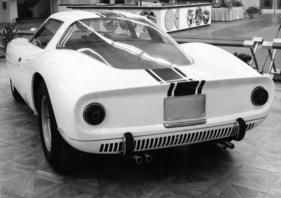
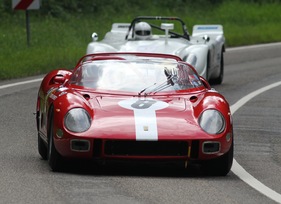
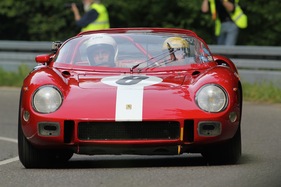
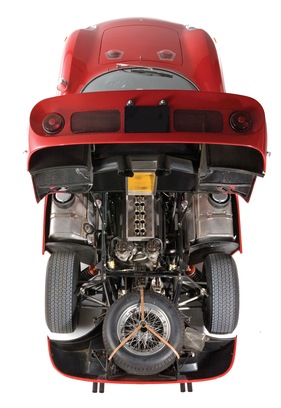
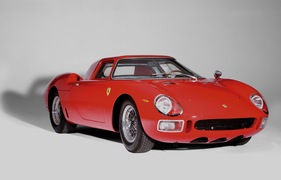
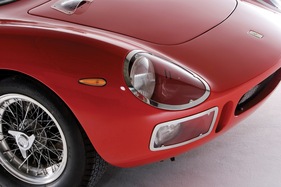
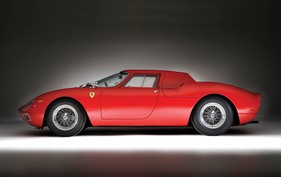
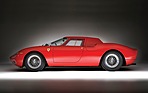
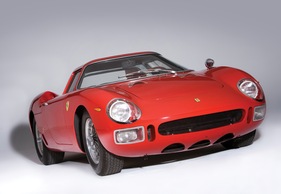
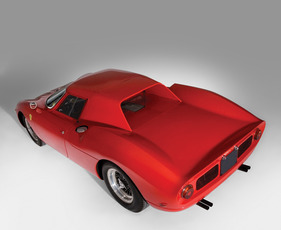
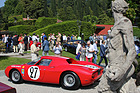
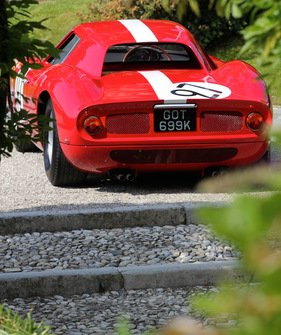
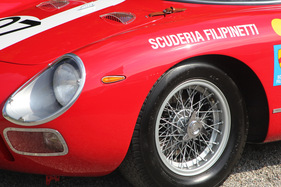
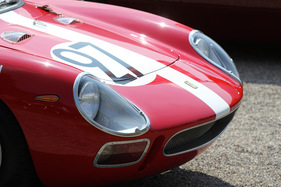
Ferrari 250 LM from 1964 - Ferrari's last road racer















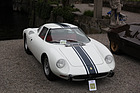
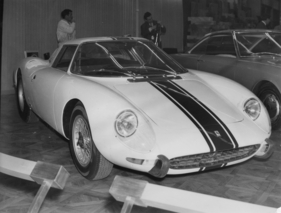

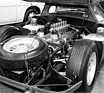


































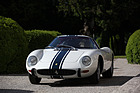
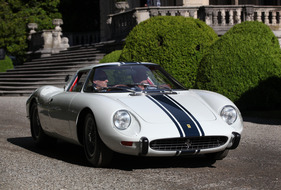



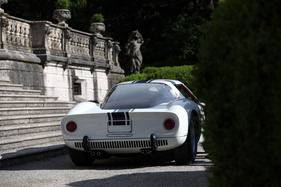




You have only
7 out of 78
images seen in high resolution


Summary
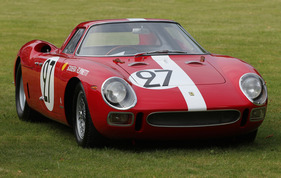
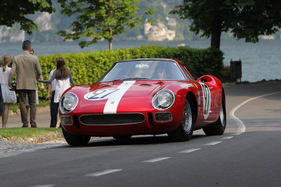
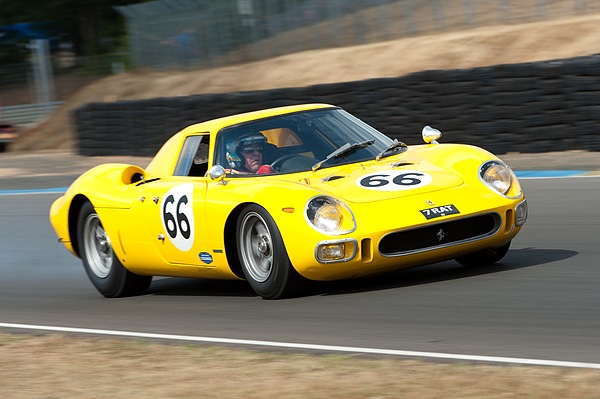
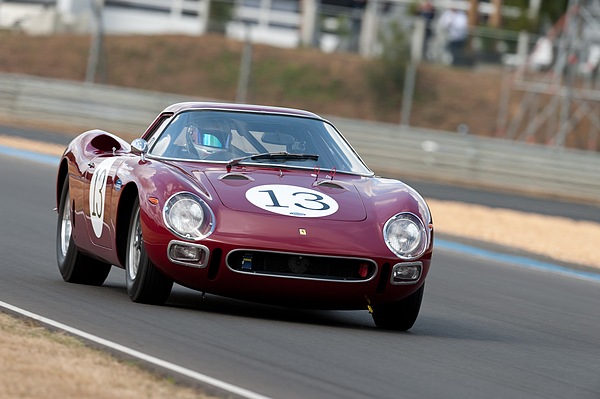
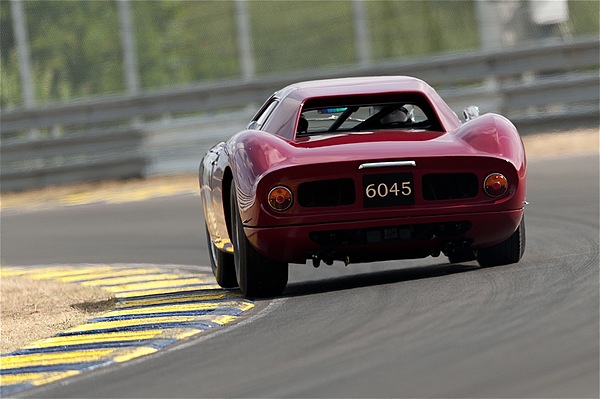
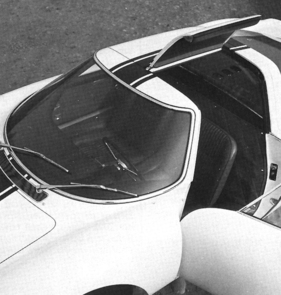
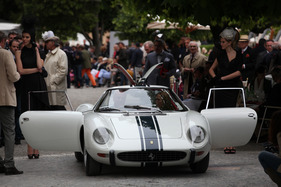
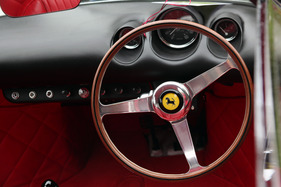
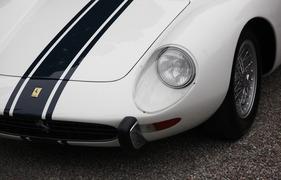
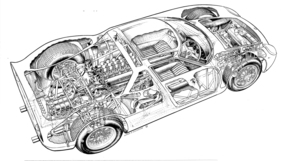
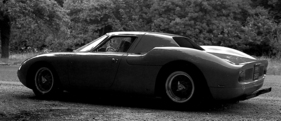
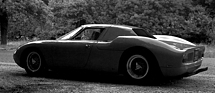
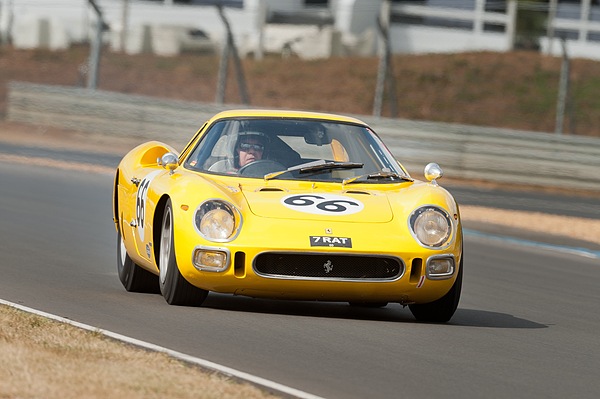
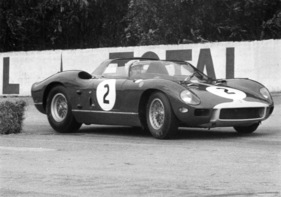
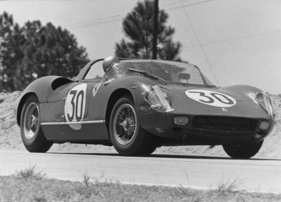
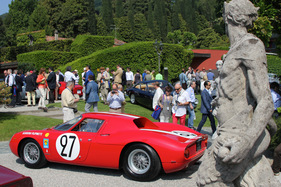
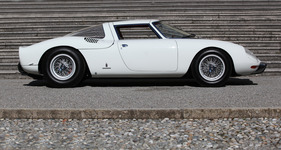
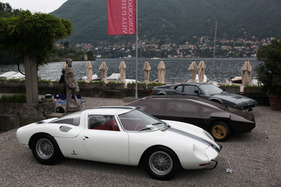
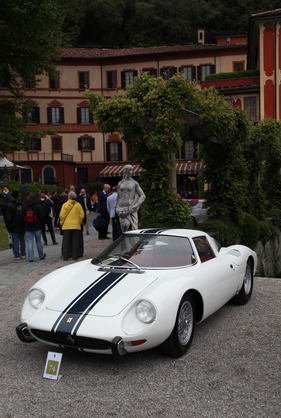
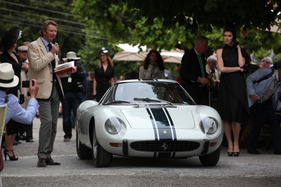
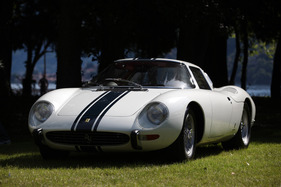
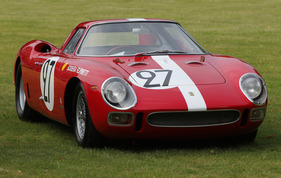
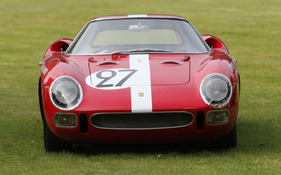
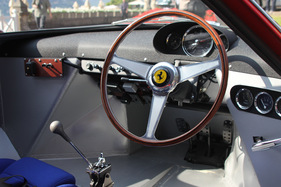
The idea was excellent. Ferrari had just finished the 1963 season very successfully. The 250 P, an open-top racing sports car with a mid-engine, was the dominant vehicle. The 250 GTO with a front-mounted engine, on the other hand, was getting on in years, so a resourceful mind in the design offices in Maranello came up with the idea of giving the 250 P a roof and calling it the GT. The car, which was built from 1964, was to be homologated in Group 3, but Ferrari was unable to produce the necessary 100 units, which meant that the car had to start as a prototype and stood almost no chance against even more uncompromising vehicles. Nevertheless, a 250 LM with Jochen Rindt at the wheel won at Le Mans in 1965. This report describes the circumstances surrounding the creation of the first Ferrari mid-engined road car and driving impressions gathered in 1983, supplemented with many illustrations.
This article contains the following chapters
- 100 units required
- Opportunities in the World Endurance Championship
- Enzo Ferrari's whims
- The last LM for Switzerland
- Self-test
- Impressive practicality
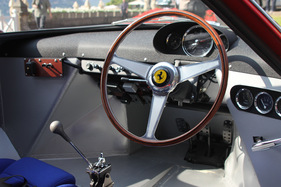
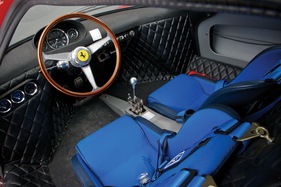
- Spartan sports car interior
- The Ferrari celebration begins with starting the engine
- The LM, a dream car?
- Weak point clutch
- The racing sports car is not a road racer
- Documented in a book
Estimated reading time: 13min
Preview (beginning of the article)
The idea was excellent. Ferrari had just finished the 1963 season very successfully. The 250 P, an open-top racing sports car with a mid-engine, was the dominant vehicle. The 250 GTO with a front-mounted engine, on the other hand, was getting on in years, and so a resourceful mind in the design offices in Maranello came up with the idea of giving the 250 P a roof and calling it the GT. 100 units required In order for the car to be homologated as a GT, however, 100 identical examples had to be built. This had also worked with the GTO at the time. However, the GTO was based on the 250 GT, and only 30 units were required to homologate the special GTO bodywork. However, the 250 Le Mans Berlinetta - 250 LM for short - could not be regarded as a further development of an existing production model, as only a few examples of the 250 P had been built. In April 1964, the homologation application was submitted to the FIA, but its processing was postponed until July 1964. The English Ferrari engineer Mike Parkes explained that 100 cars were under construction, and Enzo Ferrari stated in an interview that 42 were already in America. Today - after 20 years - we know that exactly 32 of the 250 LM were built, and we will probably have to attribute the figures quoted by Ferrari to southern optimism ...
Continue reading this article for free?
Images of this article